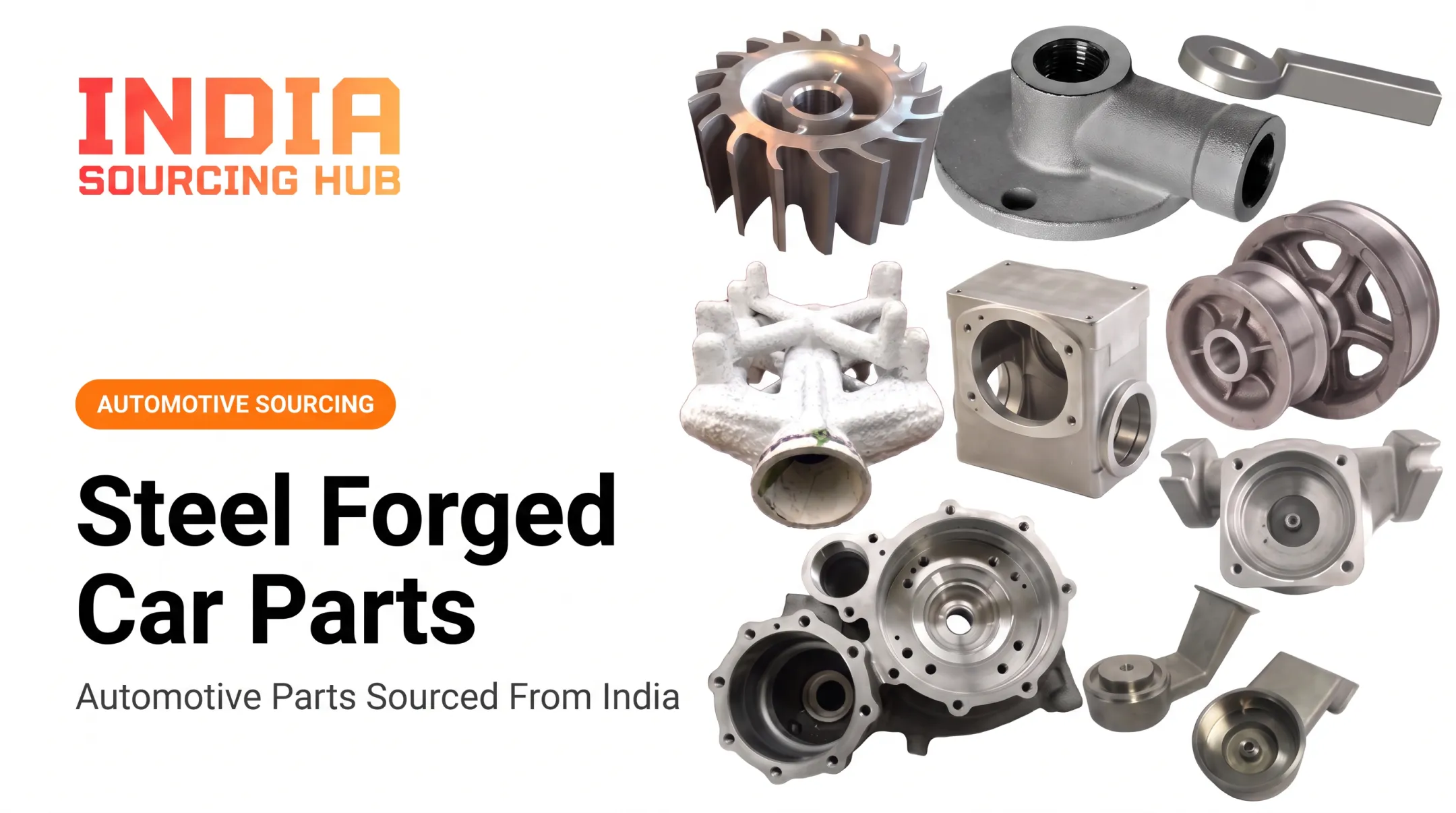
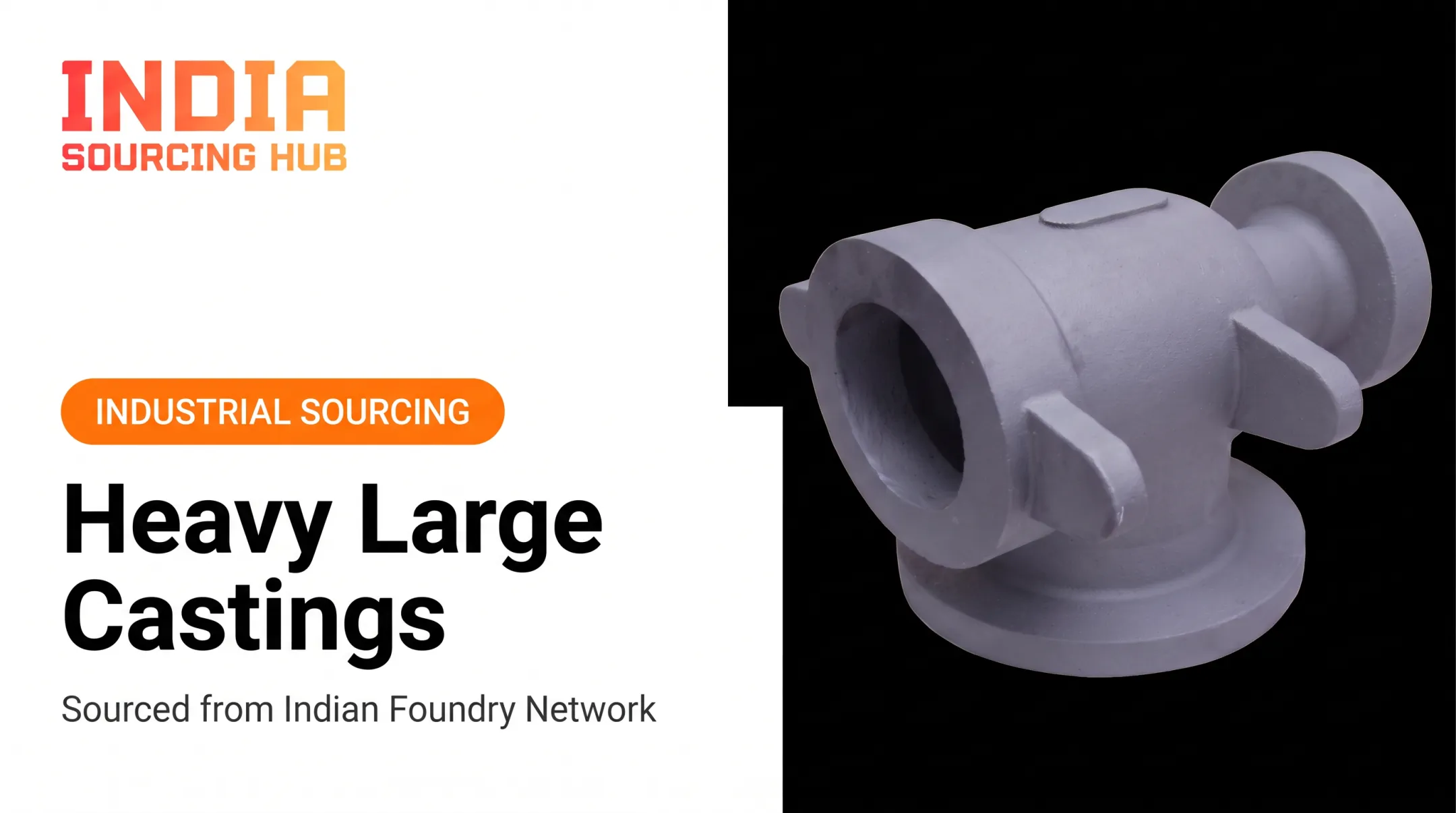
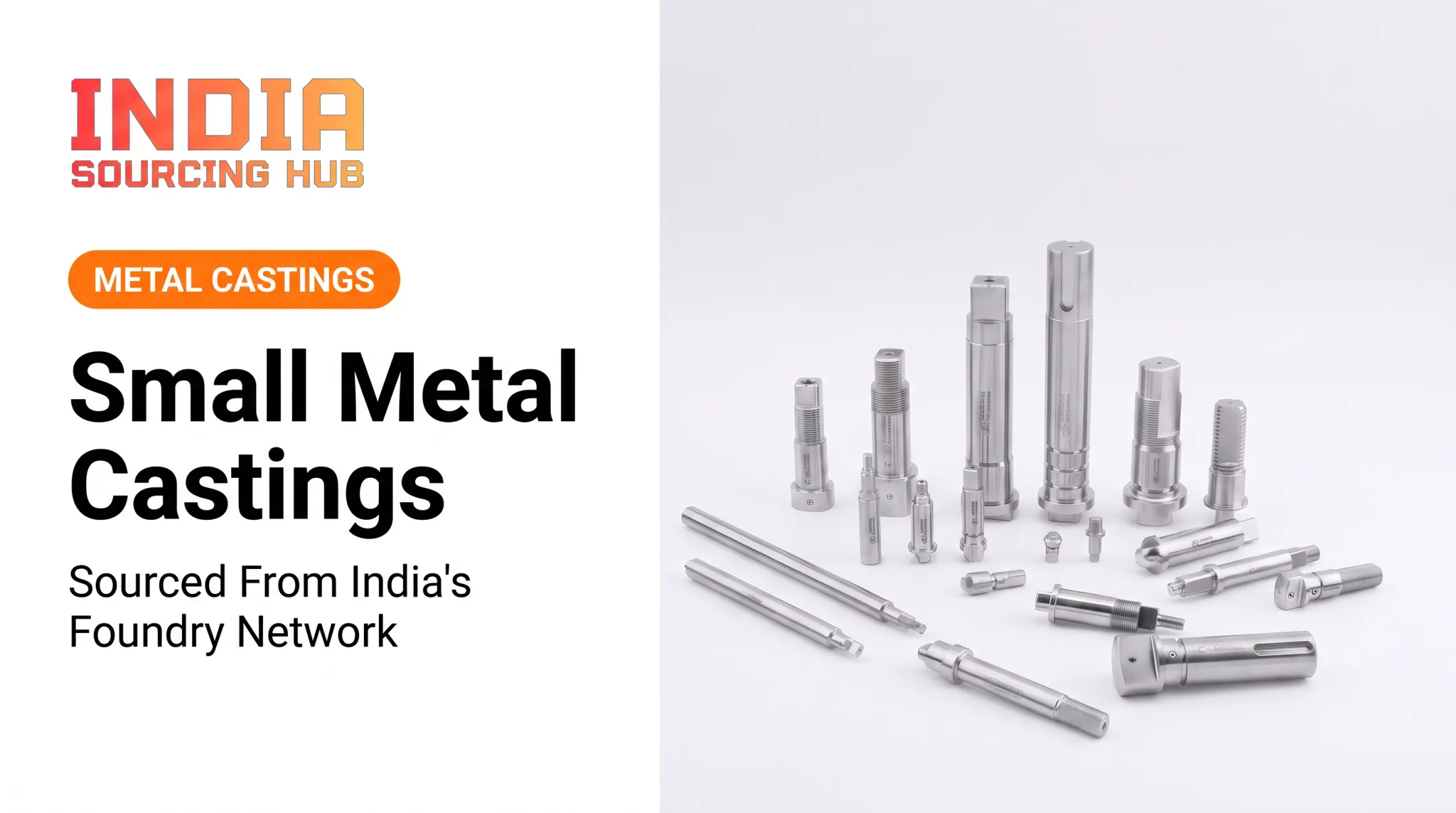
Many buyers struggle with a deceptively simple question: which casting process and which supplier actually fit this part? The answer depends on geometry, alloy, pressure class, annual volume, and total delivered cost, not just the quoted price per casting.
This guide walks through casting methods, material selection, machining and inspection requirements, and how to prepare an RFQ that gets you an apples-to-apples comparison.
Key Takeaways
- No single casting method fits every valve body; geometry, alloy, pressure rating, and volume drive the choice.
- Design internal passages, sealing surfaces, and bores into the casting, not as afterthoughts.
- A production-ready body covers machining, inspection, testing, and finishing—not just the pour.
- Compare total landed cost and supplier quality controls, not just the casting quote.
What Is an Industrial Valve Body Casting?
The valve body is the primary pressure-containing housing that directs or controls fluid flow. Typical features include ports, internal passages, seats, bores, threaded connections, mounting features, and sealing surfaces.
A cast body forms when molten metal solidifies inside a mold, not when an entire assembled valve is poured as one piece.
How the Body Differs From Other Valve Parts
The body works alongside, but is distinct from, other components:
- Bonnet — covers the body opening and houses the stem
- Stem — transmits actuating force to the closure element
- Ball, disc, or gate — the moving element that opens or closes flow
- Seat — provides the sealing surface against the closure element
- Actuator — supplies the operating force, manual or powered
That separation matters when you write the drawing. ASME B16.34 covers cast, forged, and fabricated metal valves, including pressure-temperature ratings, dimensions, and examination requirements, but it's a valve standard. It doesn't substitute for specifying the body casting's alloy and acceptance criteria on your own drawing.
Where Cast Valve Bodies Show Up
Cast bodies appear across many flow-control settings:
- Pumps and water systems
- Hydraulic and pneumatic equipment
- HVAC systems and process plants
- General flow-control machinery
Manufacturers choose casting over machining from solid stock because it produces complex external shapes and internal passage layouts that would otherwise require extensive, expensive material removal.
The right material and casting route still depend on pressure, temperature, fluid compatibility, corrosion exposure, wear, weight, and production volume. A body destined for a 150 psi water system has little in common with one rated for high-temperature steam, even if both look similar on paper.
How to Select the Right Casting Process for a Valve Body
Selecting a casting process for a valve body comes down to a handful of variables:
- Part size, wall thickness, and internal geometry
- Surface finish, tolerance, and machining allowance
- Alloy and pressure-integrity requirements
- Annual volume and tooling budget
Here's how the common options stack up:
| Process | Best Fit | Trade-offs |
|---|---|---|
| Sand casting | Large or complex bodies, prototypes, legacy replacements, low-to-medium volume | Needs cores for internal passages; rougher finish, more machining stock |
| Investment casting | Intricate shapes, smaller or detailed bodies, tighter as-cast control | Tooling cost higher; part size and section thickness limit feasibility |
| Die casting / permanent mold | Nonferrous alloys, repeat production, consistent wall sections | Tooling investment significant; alloy and volume must justify it |
| Centrifugal casting | Cylindrical or hollow geometries | Only suitable when the actual part shape is rotationally symmetric |
A 2023 manufacturer comparison of valve-casting methods confirms sand, investment, permanent-mold, and centrifugal casting all serve different valve body geometries. None is universally correct. Always verify alloy and process compatibility against the specific part rather than assuming die casting or any other method applies by default.
A practical selection sequence:
- Start with the drawing and actual operating requirements, not assumptions.
- Shortlist two or three viable processes based on geometry and alloy.
- Review manufacturability with the foundry before committing.
- Account for tooling costs and secondary operations in the comparison.
- Validate the choice with a sample casting and the required inspection or testing.
Cast Versus Forged Valve Bodies: How Should Buyers Compare Them?
Casting pours molten metal into a mold. Forging mechanically shapes heated solid metal under force. That process difference shows up in the finished part. Casting handles complex shapes and integrated internal passages more easily. Forging can improve grain flow and material integrity under certain stress conditions.
A 2016 engineering comparison in Valve Magazine notes that forging reduces internal voids and can offer strength or ductility advantages, while acknowledging that well-designed cast bodies remain suitable for a wide range of service conditions. Neither process is automatically superior.
Cast bodies tend to make sense for:
- Complex geometries with integrated internal passages
- Larger or unusual shapes
- Material flexibility across alloy families
- Low- to medium-volume production runs
Forged bodies tend to make sense for:
- High-pressure or high-temperature service
- Impact or fatigue-sensitive applications
- Designs that can accept limits on size and internal passage complexity
API 602 covers compact steel valves in both forged and cast construction. Citing the standard alone does not tell you whether a particular body was forged.
Don't compare cast and forged bodies on process alone. Judge the finished component—machining, heat treatment, inspection, leak testing, surface treatment, and lifecycle cost—against the design's pressure class, temperature, fluid, and applicable standards.

Materials, Design, Machining, and Quality Requirements
Material selection should follow pressure and temperature ratings, corrosion and fluid compatibility, wear resistance, weldability or repairability, machinability, and any customer or industry specification on the drawing.
Common Material Families
- Carbon steel: general service, ASTM A216 covers pressure castings for fusion-welding applications
- Stainless steel: corrosion resistance, with ASTM A351 (austenitic) and A217 (martensitic/alloy) as common references
- Ductile and gray iron: cost-effective for lower-pressure water and general industrial service (ASTM A395, A126)
- Bronze/brass: ASTM B62 covers composition bronze castings used in valve components
- Nickel-based alloys: ASTM A494 for corrosive or high-temperature service
Always confirm the specific grade against the drawing and service conditions. Not every nickel alloy or stainless grade behaves the same way in a given fluid.
Design-for-Casting Considerations
Internal passages, sealing surfaces, ports, threads, and bores need attention at the design stage, not as afterthoughts:
- Uniform wall transitions to reduce shrinkage and hot spots
- Adequate draft and core support for consistent demolding
- Generous fillets instead of sharp internal corners
- Machining stock built into ports, bores, threads, and sealing faces
- Parting lines positioned away from critical sealing surfaces
Post-Casting Operations and Quality Risks
A finished body typically goes through fettling, heat treatment, shot blasting, then CNC milling, drilling, boring, reaming, and thread machining. India Sourcing Hub's network, for example, pairs investment and sand casting with in-house CNC machining so sealing faces and bores get finished to drawing without handing the part to a second, unverified shop.
Quality risks to watch for include porosity, shrinkage, inclusions, cold shuts, core shift, and surface defects. Each needs a matching inspection method: visual exam, radiography, ultrasonic testing, magnetic-particle inspection, or liquid-penetrant testing, depending on the alloy and whether the defect is likely to be internal or surface-breaking.

Documentation to request:
- Material certificates and chemical analysis
- Dimensional and CMM reports
- Pressure or leak-test records
- NDT reports and heat-treatment records
- Traceability documentation
Confirm which of these your contract or governing standard actually requires before you pay for testing you don't need.
Sourcing Industrial Valve Body Castings: Supplier and RFQ Checklist
A strong RFQ prevents the quote-comparison headache where three foundries price three different things.
Include in every RFQ:
- 2D drawings and 3D models with revision level
- Material and heat-treatment requirements
- Operating pressure, temperature, and fluid or media
- Critical tolerances and surface-finish requirements
- Annual usage, order quantities, and prototype needs
- Target schedule, packaging, and delivery location
Separate casting requirements from finished-part requirements. Identify which surfaces, ports, threads, bores, datums, and sealing areas need machining. Call out which dimensions control valve performance and which are cosmetic.
Ask prospective suppliers about:
- Relevant casting experience with similar valve bodies
- Available processes and tooling ownership
- Core-making and machining capacity in-house
- Quality controls, inspection equipment, and traceability
- Corrective-action procedures and sample approval process
Calculating True Landed Cost
A low per-piece casting quote can hide the real cost. Build landed cost with:
- Tooling and patterns
- Machining and heat treatment
- Testing and scrap exposure
- Packaging, freight, and duties
- Inventory carrying costs
For difficult or obsolete parts, use a controlled path:
- Measure the existing sample and validate a 3D model
- Review the proposed casting route
- Produce a sample and complete dimensional and functional approval
- Release production tooling
This is where India Sourcing Hub fits for US manufacturers evaluating India as a second-country supply option. The company connects buyers with its vetted Indian factory network and translates drawings and technical requirements into supplier instructions.
It also coordinates quality inspection through India-based engineers and manages import logistics, with warehousing in Chicago, Toronto, and Rajkot. It doesn't claim specific foundry capability for every casting process—confirm process fit for your particular body before committing.

Conclusion: Plan the Valve Body Around the Entire Supply Chain
A reliable industrial valve body starts with application requirements and runs through process selection, material control, casting design, machining, inspection, testing, and delivery. Treat any of these steps as an afterthought and you'll find out the hard way, usually during a pressure test or a field failure.
Request a manufacturability review before approving tooling. Compare suppliers on technical control and total landed cost, not just the quoted casting price.
Before requesting a quotation, have ready:
- Drawing and 3D model
- Material and inspection specifications
- Annual usage volume
- Delivery expectations
If you're a US manufacturer weighing a managed India sourcing option with North American warehousing support, India Sourcing Hub is worth a conversation.
Frequently Asked Questions
Can a valve body be rebuilt?
Some valve bodies can be reconditioned if the pressure boundary remains structurally sound. The decision depends on corrosion, erosion, cracks, distortion, seat condition, and whether the repaired body can still pass required inspection and testing.
What is a valve body?
The valve body is the main pressure-containing housing that directs fluid through internal passages. It supports ports, seats, seals, and the other components that make up the complete valve assembly.
What are four types of valves?
Gate, globe, ball, and check valves are four common functional categories. Selection depends on whether you need on/off isolation, flow throttling, quarter-turn operation, or one-directional flow control.
What is a forged valve?
A forged valve has a body formed by mechanically shaping heated solid metal rather than pouring molten metal into a mold. Forging is chosen when pressure, temperature, strength, or fatigue requirements favor its grain structure.
What are the three types of casting?
Sand casting, investment casting, and die casting represent three broad categories. Permanent-mold, centrifugal, and lost-foam casting are additional process categories that may fit depending on the valve body's geometry and volume.