Many engineers struggle with a different question: is the added cost and machining difficulty of forged 718 actually justified for this part, or would a lower-cost alloy do the job? The answer depends on temperature exposure, cyclic loading, corrosion environment, and how much margin the application demands.
This article covers what makes Inconel 718 metallurgically distinct, how forging and heat treatment control its final properties, where it earns its keep across industries, why it fights back during machining, and what to specify before you request a quote.
Key Takeaways
- Inconel 718 delivers precipitation hardening, high-temperature stability, and fatigue resistance in one forgeable alloy.
- Forging quality hinges on heating control, deformation uniformity, and heat treatment, not just the alloy name on the certificate.
- Choose Inconel 718 where heat, stress, or corrosion resistance outweighs higher cost and machining demand.
- Buyers should lock down grade, specification, delivery condition, testing, and documentation before quoting.
What Is Inconel 718 and Why Is It Forged?
Inconel 718 (UNS N07718) is a nickel-based, precipitation-hardenable superalloy. A forging of this alloy is the component or preform shaped through controlled plastic deformation, typically under a hammer, press, or ring-rolling mill.
The alloy's performance comes from its chemistry. Special Metals publishes typical composition limits of 50-55% nickel plus cobalt, 17-21% chromium, 2.8-3.3% molybdenum, 4.75-5.5% niobium plus tantalum, 0.65-1.15% titanium, and 0.2-0.8% aluminum, with iron making up the balance.
Chromium drives oxidation and corrosion resistance. Niobium, titanium, and aluminum form the intermetallic phases responsible for precipitation hardening during aging.
Why Forging Matters for This Alloy
Forging isn't just a shaping step for 718. It refines grain structure, closes internal porosity from the cast ingot, and aligns grain flow with the part's load path. That said, the benefit depends entirely on starting stock quality, reduction ratio, and process control. A poorly controlled forge can leave you with uneven grain structure that undermines the alloy's natural advantages.
Strength and Fatigue Data
Properties shift dramatically with heat treatment condition. In one documented forging dataset from Special Metals, room-temperature results were:
| Condition | Tensile Strength | 0.2% Yield Strength |
|---|---|---|
| Annealed | 143.0 ksi | 99.5 ksi |
| Annealed and aged | 191.25 ksi | 169.5 ksi |
The same source reports rotating-beam fatigue strength at 10^8 cycles of 74.0 ksi annealed versus 77.5 ksi annealed-and-aged, based on a 6-by-9-inch forging sample tested by Special Metals. These are specific test results, not guaranteed minimums for every forging, which is exactly why the governing specification on your purchase order matters more than a datasheet.

Inconel 718 vs. Titanium vs. Steel
There's no universal winner here. Each material wins on different terms:
- Temperature: 718 holds useful strength well beyond where most titanium alloys and alloy steels degrade
- Density: Ti-6Al-4V is about 4.47 g/cm³, roughly half of 718's 8.26 g/cm³, so titanium wins when weight matters more than peak temperature
- Corrosion: 718 resists pitting and stress-corrosion cracking in many environments; suitability still depends on the specific chemistry
- Cost and machinability: Steel forgings machine faster and cost less, but they cannot match 718's elevated-temperature performance
How Inconel 718 Forgings Are Produced
A typical production sequence runs through several controlled stages:
- Material selection with heat and lot traceability
- Billet preparation
- Heating
- Forging
- Trimming and cooling
- Solution treatment and aging
- Machining
- Final inspection
Skip or rush any step, and the final properties suffer.
Temperature Control During Forging
Heating uniformity isn't a minor detail. Overheating, excessive dwell time, or uneven deformation can trigger grain coarsening, cracking, or unwanted phase formation.
Documented forging practice shows real variation in approach. One producer example heated a billet to 2050°F for upset forging, then reheated to 1800°F for a second pass. A separate finish-forging range of 1650-1750°F mattered for notch ductility in large-forging stress-rupture testing. These are specific documented procedures, not a one-size-fits-all window—forging schedules need to match the actual part geometry and specification.

Forging Method by Part Type
Different geometries call for different approaches:
- Open-die forging suits large, simpler shapes like shafts and preforms.
- Closed-die forging delivers tighter tolerances for complex, higher-volume parts.
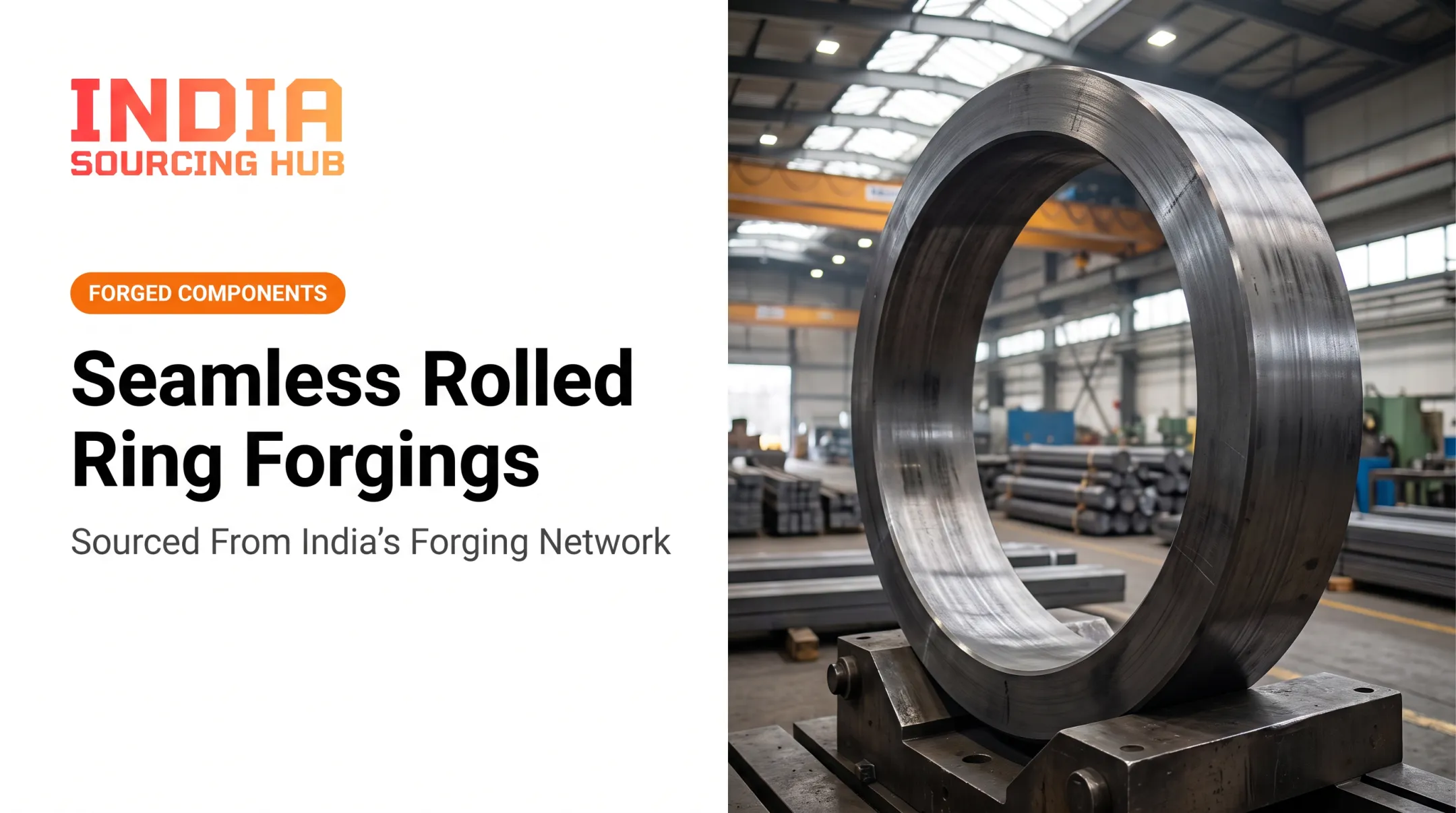
- Ring rolling fits turbine casings and other circular cross-sections.
- Disk and custom preform forging targets parts like turbine disks that need controlled radial grain flow.
Deformation and Grain Structure
Uniform reduction across the cross-section, proper die alignment, and adequate working all matter. Underworked sections retain coarser, less consistent grain structure.
Research on 718 forging behavior notes that delta phase can pin grain boundaries during reheating. Precipitation before forging can also inhibit recrystallization, producing a duplex grain structure with weaker low-cycle fatigue life than a fine, homogeneous grain. Plate-like delta phase was specifically linked to reduced creep-rupture life in that study.
Solution Treatment and Aging
Solution treatment dissolves phases into solution; aging then precipitates the strengthening compounds that give 718 its hardness. Documented producer cycles vary by application:
- General cycle: solution anneal around 1765-1950°F, then a two-stage age near 1325-1400°F followed by a lower-temperature hold
- Creep-focused cycle: anneal at 1700-1850°F; age at 1325°F for 8 hours, furnace-cool to 1150°F, for 18 hours total aging time
The exact cycle, cooling method, and allowable condition must come from the governing specification, whether that's AMS5662 (solution treated), AMS5663 (solution and precipitation treated), or a customer-specific requirement.
Quality Control Checklist
Before accepting a lot, verify:
- Chemical analysis against the specified alloy range
- Mechanical testing (tensile, yield, elongation, hardness)
- Dimensional inspection against the drawing
- Ultrasonic or other nondestructive testing where specified
- Heat-treatment records tied to the actual lot
- Material certificates with full traceability
Acceptance criteria always come from the purchase order and applicable standard, never from a generic industry assumption.
Applications of Inconel 718 Forgings
Aerospace and Propulsion
This is where forged 718 built its reputation. Turbine disks, shafts, cases, engine mounts, and hot-section hardware depend on the alloy's fatigue resistance and thermal stability.
A NASA engineering report on the M-1 rocket engine documents a fuel-pump rotor shaft assembled from four large Alloy 718 forgings—a concrete example in critical rotating hardware.
Not every aerospace application automatically qualifies. Flight-critical parts typically need separate aerospace approval beyond the base material specification.
Oil and Gas
Forged 718 shows up where pressure cycling and corrosive media beat lower-alloy options. Common parts include:
- Shafts and valve components
- Wellhead hardware in high-pressure service
API Standard 6ACRA sets supplemental requirements for age-hardened nickel alloys in API 6A pressure-containing equipment (replacing the older 6A718 standard). For sour service, NACE MR0175/ISO 15156 is the reference point—but hardness limits and approvals still need engineering review, not a blanket assumption of suitability.
Power Generation
Large land-based turbines use forged 718 for rotor components. A documented GE Energy and Aubert & Duval case describes H- and FB-class turbine rotor forgings exceeding 3,400 mm (~134 in) in diameter and 9,000 kg (~19,800 lb), with uniform fine grain size at that scale called out as a real production challenge.

Nuclear-related equipment may also use 718. Each application still needs independent review against temperature, radiation, and code requirements—no general-purpose qualification covers every case.
Chemical Processing
Pumps, valve bodies, fittings, and fasteners exposed to corrosive fluids and thermal cycling are reasonable candidates, particularly where lower-alloy materials show pitting or stress-corrosion cracking in service history.
Automotive and Motorsport
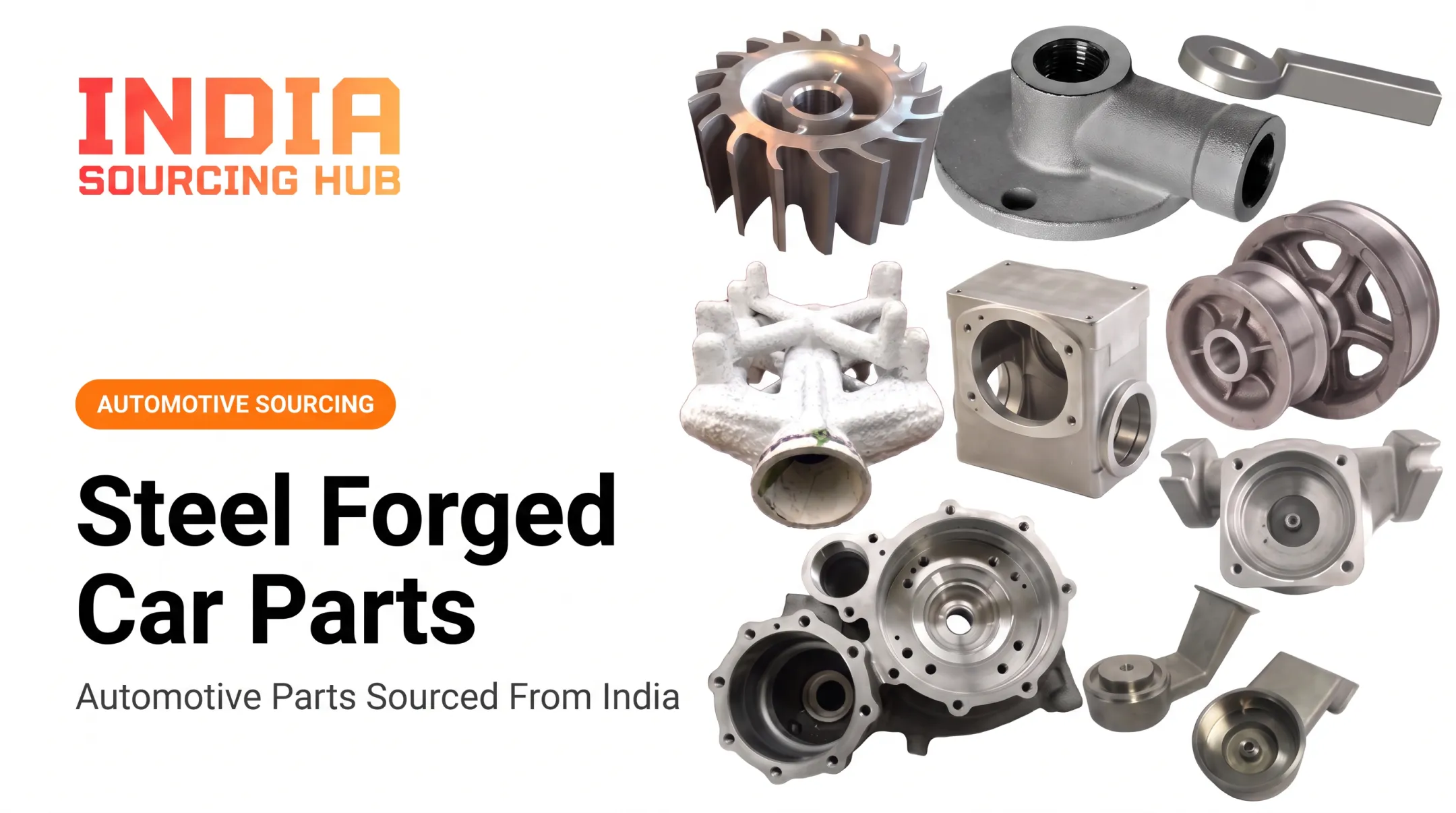
Turbocharger wheels, shafts, and high-temperature fasteners sometimes justify 718, but it's the exception rather than the rule. For most automotive service, lower-cost alloys handle the thermal and mechanical loads well enough. Reach for 718 only when temperature or fatigue demands genuinely exceed what cheaper options can survive.
A Simple Selection Framework
Map these factors before committing to forged 718:
- Operating temperature — does service life depend on strength retention above 1,000°F?
- Load type and cyclic fatigue — is the part subject to repeated stress cycles over years of service?
- Corrosion media — chlorides, sulfides, or other aggressive chemistries?
- Pressure and required service life — does failure carry safety or regulatory consequences?
- Production volume and inspection obligations — can the added testing and documentation cost be absorbed?
Machining, Finishing, and Design Considerations
Inconel 718 fights back during machining, and it's not subtle about it. Sandvik Coromant identifies precipitation-hardened 718 among its heat-resistant superalloy category, citing poor thermal conductivity, high hot strength, work hardening, and adhesion-related notch wear as the core challenges.
Heat doesn't dissipate into the chip the way it does with steel; it stays concentrated at the cutting edge instead.
Design Implications
Near-net forging reduces machining time, but a few design choices matter:
- Build in adequate machining allowance without over-stocking material you'll just cut away
- Specify generous radii where possible to reduce stress concentration and tool engagement issues
- Plan tool access early, especially for deep features or thin walls
- Account for distortion during heat treatment when setting final machining sequence
Machining Condition Matters
Solution-treated material machines differently than fully aged material, which is harder and more work-hardening prone. Whichever condition you're cutting, these practices help avoid the notch wear and adhesion problems common to this alloy family:

- Rigid fixturing
- Sharp, suitable tooling
- Consistent coolant delivery
- Conservative cutting parameters
Specific speed and feed values should come from your tooling supplier and testing, not a generic published range.
Post-Forging Operations
Depending on the part, expect some combination of these operations before final acceptance:
- Straightening and shot blasting
- Grinding, drilling, and milling
- Thread production
- Nondestructive examination
Welding, repair, or surface coating should always be evaluated against the governing specification. Don't assume steel practices transfer directly.
How to Specify and Source Inconel 718 Forgings
Buyer's Specification Checklist
Before requesting quotes, nail down:
- Part drawing and revision level
- Alloy and UNS designation (N07718)
- Applicable standard (ASTM B637, AMS5662, AMS5663, or equivalent)
- Forging type and dimensions with tolerances
- Delivery condition and heat treatment
- Mechanical requirements and surface condition
- Inspection plan, packaging, and required certificates
Evaluating a Supplier Beyond Price
A low quote means little without process control behind it. Look for evidence of:
- Heat and lot traceability
- Documented forging and heat-treatment capability
- Access to testing and dimensional inspection records
- A real corrective-action process
Ask whether the supplier has handled your specific application before, not just the alloy in general.
Commercial Planning
Total cost adds up beyond the per-piece price: tooling, minimum order quantities, machining allowances, inspection, freight, duties, and lead time all factor in. India Sourcing Hub helps manufacturers evaluate qualified Indian suppliers and manage those total-cost factors as part of a North American sourcing strategy.
The company works through an Indian factory network with engineers on-site inspecting production runs before shipment. Third-party factory inspection is built into supplier selection.
Practical advantages for forged components include:
- All-in pricing with no added China tariffs
- Warehousing in Chicago, Toronto, and Rajkot to ease MOQ pressure
- Supply-chain support from order through delivery
Not every supplier in the network automatically offers Inconel 718 forgings or holds a specific certification. Confirm capability for your exact grade and specification before committing to production volume.
Before Production Approval
Request a manufacturing route, an inspection and test plan, and first-article sample requirements. Confirm the full documentation package upfront, not after parts ship.
Once that package is defined, you are ready to request a quote. Provide your drawing, annual or batch volume, service environment, required standard, target delivery condition, testing requirements, and US destination.
Frequently Asked Questions
Can Inconel be forged?
Yes. ASTM B637 covers nickel-alloy forgings and forging stock, including Inconel 718. Quality depends on controlled heating, deformation, cooling, and heat treatment—distinct from casting or machining from bar stock.
Is Inconel 718 stronger than titanium?
It depends on the specific titanium grade, the 718 heat-treatment condition, temperature, and which strength metric matters for your design. Titanium generally wins on strength-to-weight ratio, while aged 718 holds strength better at higher temperatures.
Why is Inconel 718 difficult to machine?
Low thermal conductivity concentrates heat at the cutting edge, while high hot strength and work hardening accelerate tool wear and notch damage. Rigid fixturing and suitable tooling help manage these effects.
What are Inconel 718 forgings used for?
Common uses include aerospace turbine disks and shafts, plus oil and gas wellhead and valve components. They also appear in power-generation rotors, chemical-processing pumps and fittings, and select high-temperature automotive parts.
What heat treatment is used for Inconel 718 forgings?
Typically, solution treatment dissolves phases into solution, followed by controlled aging that precipitates strengthening compounds. Exact temperatures, hold times, and cooling methods depend on the governing specification, such as AMS5662 or AMS5663.