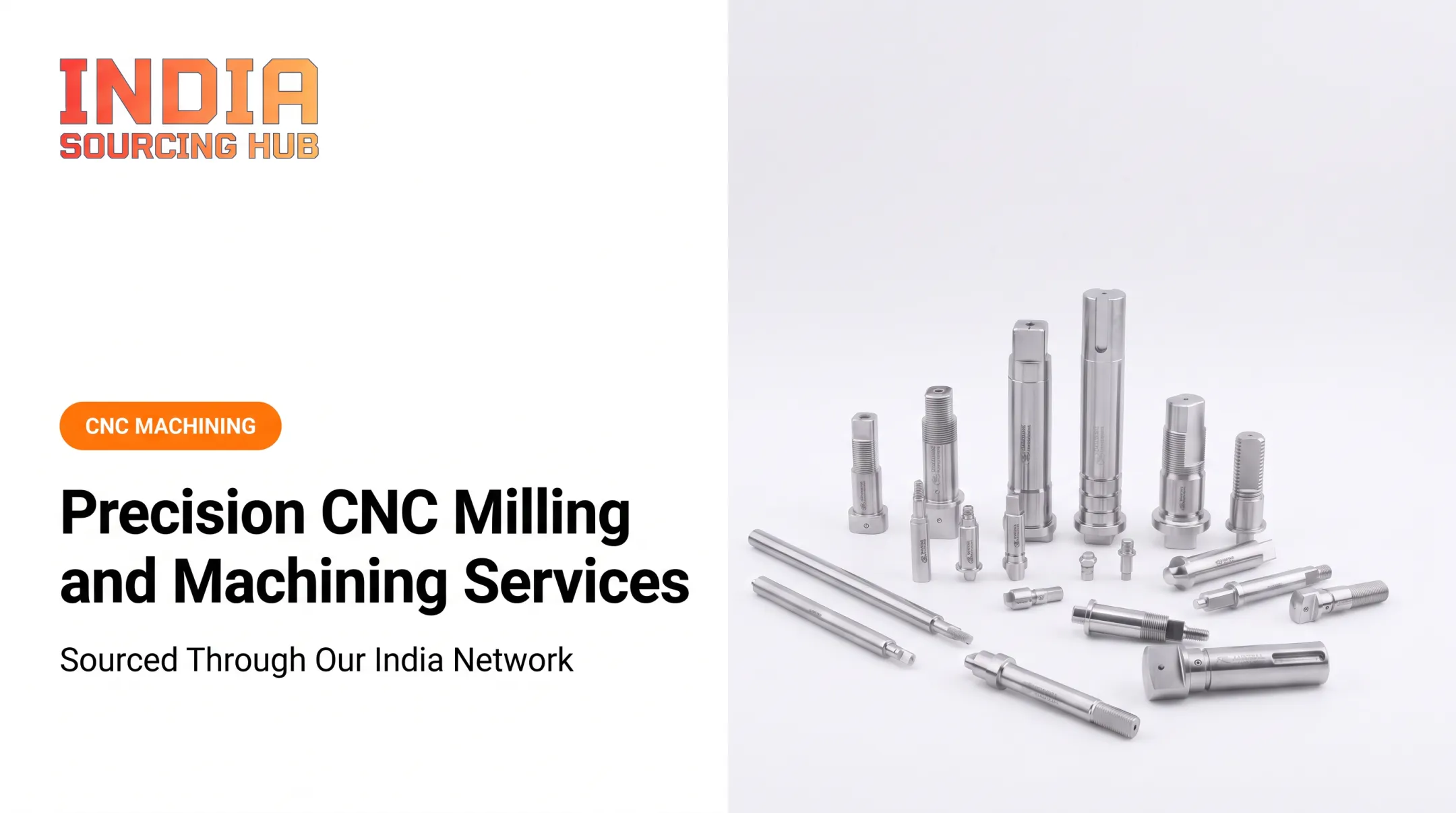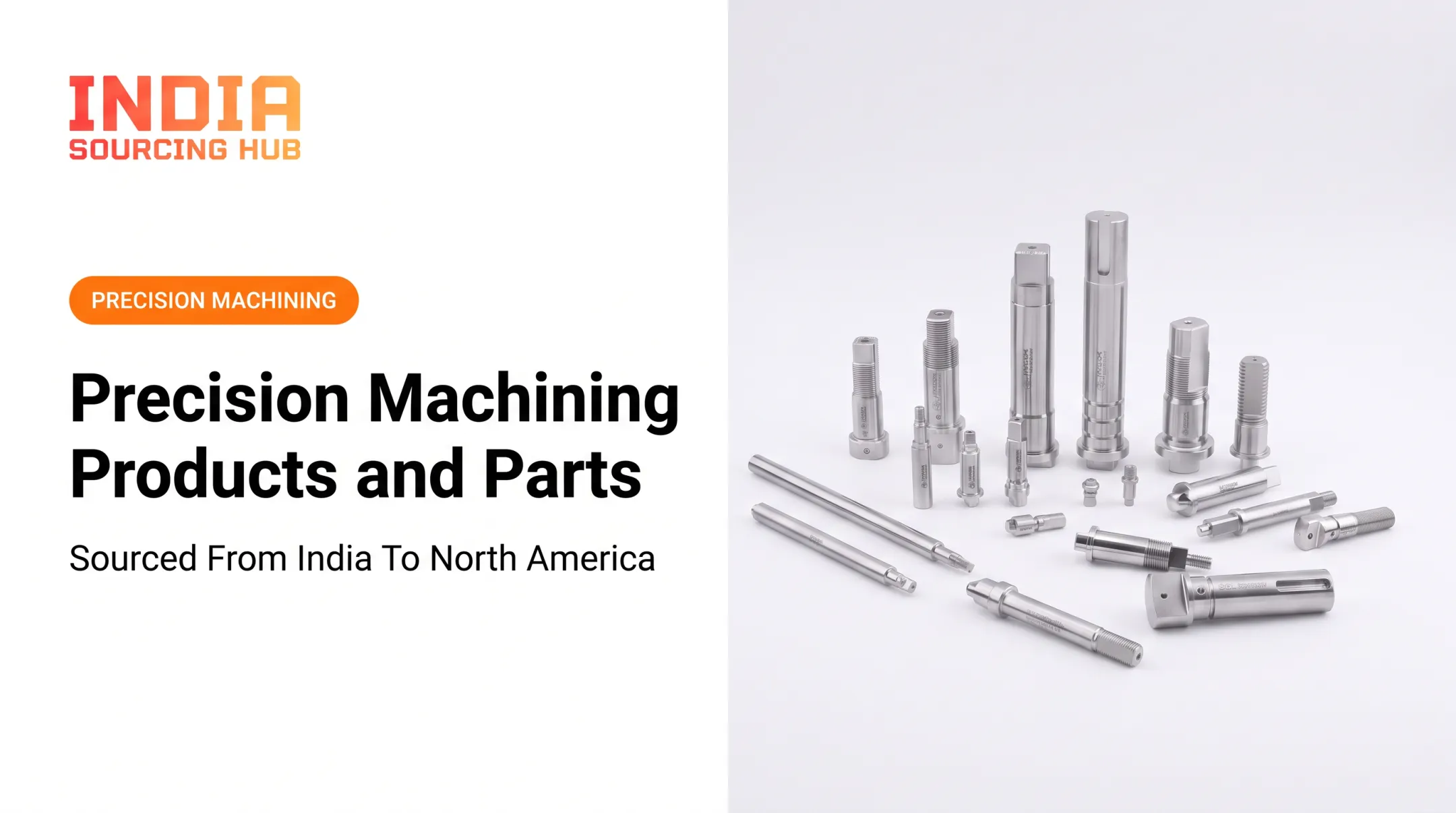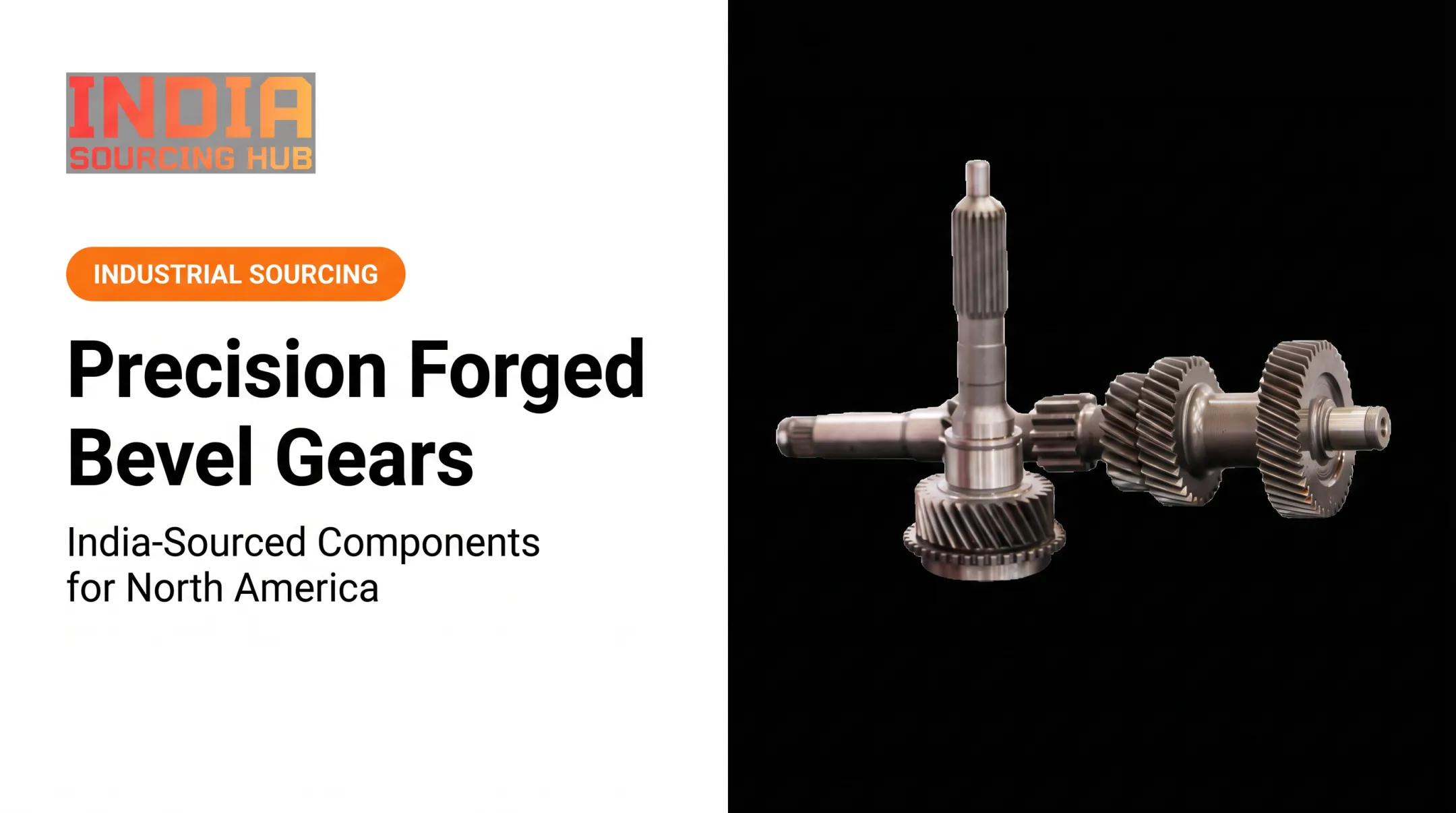

None of that happens by accident. It happens because a machined part was cut, measured, and verified against a drawing.
The hard part for buyers isn't understanding that precision matters. It's finding a supplier who can deliver it consistently while juggling material selection, quality documentation, overseas communication, lead times, minimum order quantities, and delivery schedules.
This guide covers what precision machined parts actually are, how they're produced, where they show up across industrial applications, and how US manufacturers can evaluate a sourcing or manufacturing partner before committing to a production run.
Key Takeaways
- Precision means consistent functional dimensions, not a generic "tight tolerance" claim.
- Production runs through drawing review, prep, CNC milling or turning, secondary ops, inspection, and finishing.
- Weigh suppliers on process capability, documentation, and communication, not unit price alone.
- Early design-for-manufacturing review cuts unnecessary tolerances, rework, and sourcing delays.
What Are Precision Machine Components and Machined Parts?
"Machined" describes a manufacturing method: cutting tools remove material from a workpiece to create a specified shape, feature, dimension, and surface finish. That's the entire subtractive process in one sentence.
A machine component is a functional element of a larger assembly, such as a shaft, bushing, or valve stem. A machined part describes how that element was made. The two terms overlap constantly in conversation, but they're answering different questions: what the part does versus how it got its final form.
Precision, Accuracy, and Tolerance Aren't the Same Thing
Buyers often use these words interchangeably. They shouldn't.
- Tolerance states the allowable variation from a stated dimension, such as ±0.002 inches on a bore diameter.
- Accuracy refers to how close a measurement comes to the true value.
- Precision means producing that measurement consistently, order after order, under the same conditions.
The National Institute of Standards and Technology frames precision machining as repeatable production to a specified tolerance, not just hitting a number once in a prototype run. NIST's research on precision in machining notes that achievable precision depends on geometry, material, setup, and inspection method, not a single universal standard.
A supplier must both hit the dimension and reproduce it across every piece in the order.
Features That Commonly Require Machining
Most drawings call out machining for:
- Bores, holes, and threads
- Grooves, tapers, and shoulders
- Slots and mating faces
- Sealing surfaces
Not every feature needs the tightest tolerance available. Tolerances should track back to a functional reason: fit, movement, sealing, load, or alignment. Otherwise you're paying for precision the part doesn't need.
The final spec may also cover material grade, heat treatment, surface finish, coating, deburring, inspection, packaging, and traceability.
How Precision Machined Parts Are Made
Every machining job starts before a tool touches metal.
Engineering Review and Design for Manufacturing
The supplier reviews the 2D drawing, 3D CAD model, revision level, geometric tolerances, material callout, and inspection expectations. A solid design-for-manufacturing (DFM) check looks at:
- Tool access and wall thickness
- Internal features and workholding strategy
- Datum strategy and setup count
- Whether any specified tolerance is unusually costly to hold
Catching a problem here saves weeks later.
Material Prep, Milling, and Turning
Once the material grade is confirmed and stock is checked for size and condition, the part moves to the machine.
CNC milling cuts flat surfaces, pockets, slots, contours, holes, and multi-sided geometries, typically on three- or five-axis equipment.
CNC turning rotates stock against a cutting tool to form cylindrical parts such as shafts, pins, sleeves, stems, and bushings. Live tooling can add flats, cross-holes, or grooves without a second setup.
CNC equipment follows toolpaths generated from CAD/CAM data, but machinists still select tooling, workholding, cutting parameters, and inspection checkpoints along the way. The machine executes the path; the operator decides how to get there.
Secondary Operations and Inspection
Depending on the drawing, parts may still need secondary work before they are finished:
- Drilling, tapping, or reaming
- Grinding or heat treatment
- Deburring and polishing
- Plating or anodizing
Inspection runs throughout the process using gauges, micrometers, height gauges, optical equipment, or coordinate measuring machines, matched to the dimension being checked and the access available. India Sourcing Hub engineers inspect production runs in India before shipment, catching dimensional drift before parts reach a customer's dock.

Finished parts are packaged to protect machined surfaces. When traceability matters, lots stay separated and inspection records travel with the shipment to the customer's requested location.
Common Precision Components and Their Applications
Precision machined parts show up across a wide range of industrial equipment, but the components aren't interchangeable across industries. A pump impeller and a truck axle shaft solve completely different problems.
By function, common examples include:
- Rotating and load-bearing parts: shafts, bushings, collars, gear shafts
- Fluid-control components: valve stems, valve balls, pump bodies, volutes, impellers
- Structural or mounting parts: housings, brackets, flanges
- Sealing and mating components: fittings, sealing faces, custom fasteners
Why a Single Feature Can Make or Break an Assembly
A pump's wear-ring clearance is a good example. KSB's engineering team notes that excessive wear-ring clearance causes internal recirculation, which reduces efficiency, discharge pressure, and flow. A clearance off by a few thousandths of an inch changes how the pump runs in the field.

Valve seat rings work the same way. The seating surface and guide alignment determine whether the plug and seat shut off flow cleanly or leak under pressure.
India Sourcing Hub machines pump and valve components (impellers, volutes, bodies, stems, and balls) so critical bores and sealing faces hold at the assembly level. A missed feature fails the whole unit, not just the part.
How the blank starts matters as well. Not every component is machined from solid stock.
Cast, forged, or formed blanks often receive finish machining to final dimensions and surface finish. That route is often more cost-effective than cutting the entire part from bar stock. India Sourcing Hub's investment-cast valve bodies and forged components typically follow this path.
How to Specify and Evaluate Precision Machined Parts
Getting a quote that actually matches what you need starts with a complete RFQ package.
Build a Drawing and RFQ Checklist
At minimum, include:
- Part number and revision level
- 2D drawing and 3D model
- Quantity or annual forecast
- Material and heat treatment requirements
- Surface finish and coatings
- Critical tolerances and inspection requirements
- Packaging and delivery destination
For every critical-to-function dimension, explain the condition behind it. Call out whether the feature is:
- A clearance fit
- An interference fit
- A sealing surface
- A load path
That context helps a supplier machine the feature correctly instead of guessing at intent.
Match Process to Volume
| Requirement Type | Process Fit | Cost Driver |
|---|---|---|
| Prototype | Single-setup CNC runs | Setup time, not tooling |
| Low volume | CNC milling/turning | Setup economics, MOQ |
| Recurring production | Dedicated tooling, repeat orders | Inventory planning |
| Higher volume / ongoing demand | Optimized fixturing and process repeats | Unit cost efficiency |
Require First-Article Inspection
Before a full release, check samples against the drawing for dimensional results, material documentation, and finish verification. If something's off, you want a documented corrective-action process in place, not a scramble after parts arrive.
Ask suppliers directly:
- What inspection equipment do you use, and how are gauges calibrated?
- How are nonconformances handled and documented?
- Can you provide inspection reports, material certificates, and lot traceability?
- Who owns technical changes, and how are revisions controlled?
Don't Quote on Price Alone
A lower unit price doesn't always mean lower total cost. The Reshoring Initiative's Total Cost of Ownership estimator accounts for freight, duties, inventory carrying costs, and production-delay risk—factors a piece-price comparison ignores.
Fold these into the same evaluation:
- Minimum order quantities
- Scrap rates
- Rework exposure
An experienced sourcing partner helps here by turning your requirements into supplier-ready documentation and keeping quality, import, and logistics details aligned from drawing to delivered part.
Choosing a Precision Machined Parts Supplier
Supplier qualification comes down to a short list of real questions, not marketing claims.
What to Look For
- Relevant component experience (not just general machining capability)
- Milling and turning equipment matched to your part geometry
- Engineering support for DFM review
- Documented inspection discipline
- Material knowledge specific to your grade and application
- Clear revision and nonconformance control
Ask for evidence, not adjectives. Representative samples, process descriptions, and references tell you more than a capability statement ever will.
Overseas Sourcing Risks US Buyers Should Weigh
- Time-zone gaps that slow down technical questions
- Drawing interpretation issues from language or GD&T familiarity gaps
- Inconsistent follow-through once production starts
- Uncertain minimum order quantities
- Shipping variability and limited visibility mid-production
These risks are real. India Sourcing Hub addresses them as a North American connection point for Indian manufacturing. The company has sourced metal products for North American manufacturers since 1995 and built an Indian supplier network to meet its quality requirements starting in 2013.
Operations in Chicago and Toronto mean a US buyer works with an English-speaking, North American-based team, even though the parts are produced in Rajkot, India.
A Practical Onboarding Path
- Share drawings, quantities, and requirements
- Review manufacturability and confirm supplier fit
- Assess samples or first-article parts against the drawing
- Confirm quality standards and commercial terms
- Set up delivery and inventory plans using Chicago or Toronto warehousing
- Monitor performance once production is running

If you're sourcing precision machine components or machined parts, India Sourcing Hub can walk through drawings, quantities, quality requirements, and options to diversify away from a single-country supply chain.
Frequently Asked Questions
How are parts machined?
CNC milling, turning, drilling, boring, and grinding remove material according to CAD/CAM-generated instructions. Inspection and any required finishing follow once the cutting operations are complete.
What are some examples of machined components?
Common examples include shafts, bushings, valve stems, valve balls, pump bodies, housings, fittings, brackets, and custom fasteners. The right process always depends on the drawing and intended application.
What does "machined" mean?
"Machined" means material was cut or shaped using controlled tools to produce specified dimensions, features, and surface conditions. It's a subtractive process, removing material rather than forming or adding it.
What are the major parts of a CNC machine?
A typical mill includes a spindle, motion axes, worktable or workholding system, CNC controller, tool changer, coolant system, and enclosure. Configurations vary between mills and lathes, so there's no single universal list.
What materials are commonly used for precision machined parts?
Common choices include aluminum, stainless steel, carbon or alloy steel, brass, bronze, copper, and titanium, along with engineering plastics like acetal or PEEK. Material selection should match strength, corrosion resistance, wear, temperature, weight, and machinability needs.
How do I choose a precision machined parts supplier?
Assess technical capability, quality controls, inspection documentation, communication practices, and capacity before approving samples. Factor in minimum order quantities, total landed cost, and logistics, not just the quoted unit price.